New Product Safety Regulations 2025: Compliance Guide
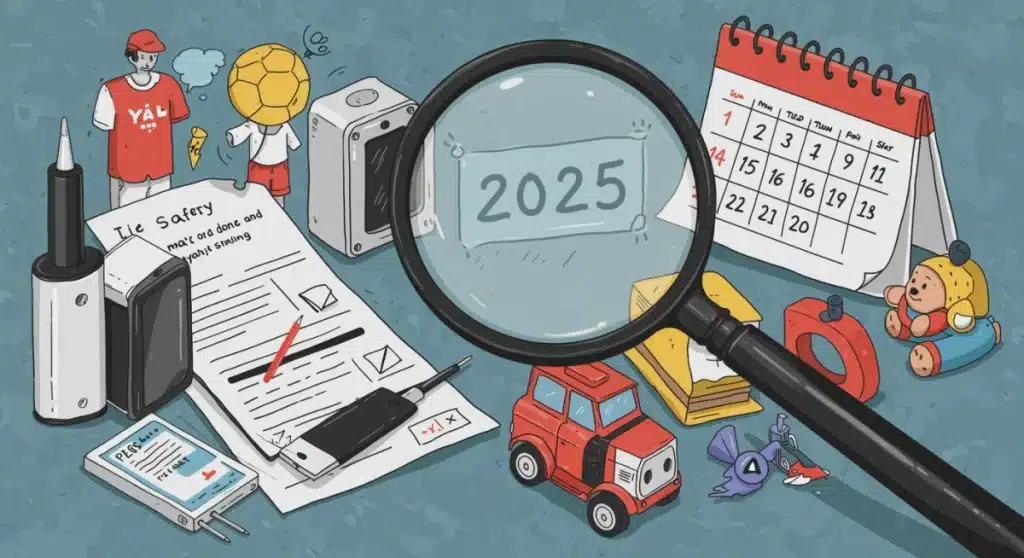
Navigating the new product safety regulations for 2025 requires businesses to meticulously assess four critical compliance areas: updated labeling, enhanced traceability, chemical restrictions, and cybersecurity integration, demanding proactive strategies for seamless market integration.
Are you ready for the seismic shifts in product safety regulations coming in 2025? Understanding the new product safety regulations: 4 critical compliance areas for 2025 is not just about avoiding penalties; it’s about safeguarding your brand’s reputation and ensuring consumer trust. These recent updates demand immediate attention and practical solutions to keep your business ahead of the curve.
The evolving landscape of product safety regulations
The regulatory environment for product safety is in a constant state of flux, driven by technological advancements, emerging risks, and increasing consumer expectations. Businesses operating in the United States must remain vigilant, as non-compliance can lead to severe financial penalties, product recalls, and irreparable damage to brand image. The upcoming 2025 regulations represent a significant overhaul, reflecting a global push towards more stringent safety standards and greater accountability from manufacturers and distributors.
These changes are not merely incremental; they introduce new paradigms for how products are designed, manufactured, marketed, and ultimately, retired. The focus has shifted from reactive measures to proactive risk assessment and mitigation, requiring companies to embed safety considerations throughout the entire product lifecycle. This proactive approach necessitates a deep understanding of the new legal frameworks and a willingness to adapt existing operational procedures.
Understanding these evolving standards is paramount for any business. It ensures not only legal adherence but also fosters a culture of safety that resonates with today’s informed consumers. Companies that embrace these changes early will likely gain a competitive advantage, positioning themselves as leaders in responsible product development and delivery.
Critical compliance area 1: enhanced labeling and documentation requirements
One of the most immediate and impactful changes in the 2025 product safety regulations concerns enhanced labeling and documentation. These new requirements aim to provide consumers with clearer, more comprehensive information about the products they purchase, empowering them to make safer choices. For businesses, this translates into a need for meticulous attention to detail and a robust system for managing product information.
Digital labeling and QR codes
The shift towards digital labeling is gaining momentum. While traditional labels will still be present, many regulations now encourage or mandate the use of QR codes or other digital identifiers. These allow consumers to access a wealth of information instantaneously, including:
- Detailed ingredient lists and material composition
- Comprehensive usage instructions and safety warnings
- Disposal guidelines and recycling information
- Manufacturing origin and supply chain transparency data
This digital integration not only enhances consumer access to information but also offers manufacturers greater flexibility in updating product details without reprinting physical labels. It also supports sustainability efforts by reducing the reliance on extensive paper documentation.
Standardized safety data sheets (SDS)
For products containing chemicals, the new regulations often call for updated and standardized Safety Data Sheets (SDS). These documents must adhere to globally harmonized system (GHS) standards, ensuring consistency across international markets. Businesses must ensure their SDS are current, accurate, and easily accessible to both consumers and regulatory bodies. This involves reviewing chemical compositions, assessing potential hazards, and clearly communicating risk mitigation strategies.
The increased scrutiny on labeling and documentation means that businesses must invest in robust data management systems. These systems should be capable of storing, updating, and retrieving product information efficiently, ensuring that all labels and accompanying documents meet the stringent new standards. Furthermore, training staff on these new requirements is essential to avoid errors and ensure consistent application across all product lines.
Critical compliance area 2: stricter material and chemical restrictions
The second critical area of compliance for 2025 involves significantly stricter regulations on materials and chemicals used in product manufacturing. These updates are a direct response to growing concerns about environmental impact, human health, and the circular economy. Companies must now meticulously review their raw material sourcing and manufacturing processes to ensure adherence.
Expanded restricted substances lists (RSLs)
Regulatory bodies are expanding their Restricted Substances Lists (RSLs) to include a broader range of chemicals and materials previously not under such intense scrutiny. This means that substances commonly found in plastics, textiles, electronics, and even food packaging may now be prohibited or subject to strict concentration limits. Businesses need to:
- Conduct thorough chemical inventories of all components.
- Engage with suppliers to verify material composition and compliance.
- Explore alternative, safer materials and manufacturing processes.
The complexity of these RSLs requires a proactive approach, including regular audits of the supply chain and ongoing research into material science to identify compliant alternatives. Companies that fail to adapt risk costly product recalls and significant reputational damage.
Focus on PFAS and phthalates
Among the substances receiving heightened attention are Per- and Polyfluoroalkyl Substances (PFAS) and phthalates. PFAS, often referred to as ‘forever chemicals,’ are widely used for their water and stain-repellent properties, while phthalates are used to make plastics more flexible. Both have been linked to various health concerns and are increasingly being regulated or banned in many product categories. Manufacturers must identify where these chemicals are present in their products and actively seek out compliant substitutions.
This area of compliance demands a deep dive into product formulations and a strong partnership with suppliers to ensure transparency and accountability. It’s not enough to simply declare compliance; businesses must be able to demonstrate it through rigorous testing, documentation, and a clear understanding of their material inputs. The shift truly emphasizes a ‘cradle-to-grave’ responsibility for product components.
Critical compliance area 3: enhanced product traceability and supply chain transparency
The third crucial aspect of the 2025 regulations is the mandate for enhanced product traceability and greater supply chain transparency. This shift is driven by a need to quickly identify and isolate unsafe products, minimize the impact of recalls, and combat counterfeiting. Businesses must implement robust systems that allow for end-to-end visibility of their products.
Digital tracking systems
New regulations often require the implementation of digital tracking systems that can follow a product from its raw material stage through manufacturing, distribution, and even to the end consumer. Technologies such as blockchain, RFID, and advanced serialization are becoming essential tools for achieving this level of traceability. These systems enable:
- Real-time monitoring of product movement.
- Instant identification of origin and batch numbers.
- Efficient recall management and targeted notifications.
Investing in such technologies is no longer optional but a strategic imperative. Not only do they ensure compliance, but they also offer valuable insights into supply chain efficiencies and potential bottlenecks.
Supplier due diligence and auditing
Beyond internal tracking, businesses are now held to a higher standard for the due diligence performed on their suppliers. This means actively vetting all entities in the supply chain to ensure they also adhere to safety and ethical standards. Regular audits, certifications, and contractual agreements that mandate compliance are becoming commonplace. The responsibility for product safety now extends far beyond the final manufacturer, encompassing every link in the chain.
Companies must establish clear protocols for supplier selection, ongoing performance monitoring, and corrective action plans. This collaborative approach to supply chain management fosters a safer ecosystem for all stakeholders and ensures that any potential issues can be traced and rectified swiftly. Transparency in the supply chain is no longer a competitive advantage; it’s a foundational requirement for market access.
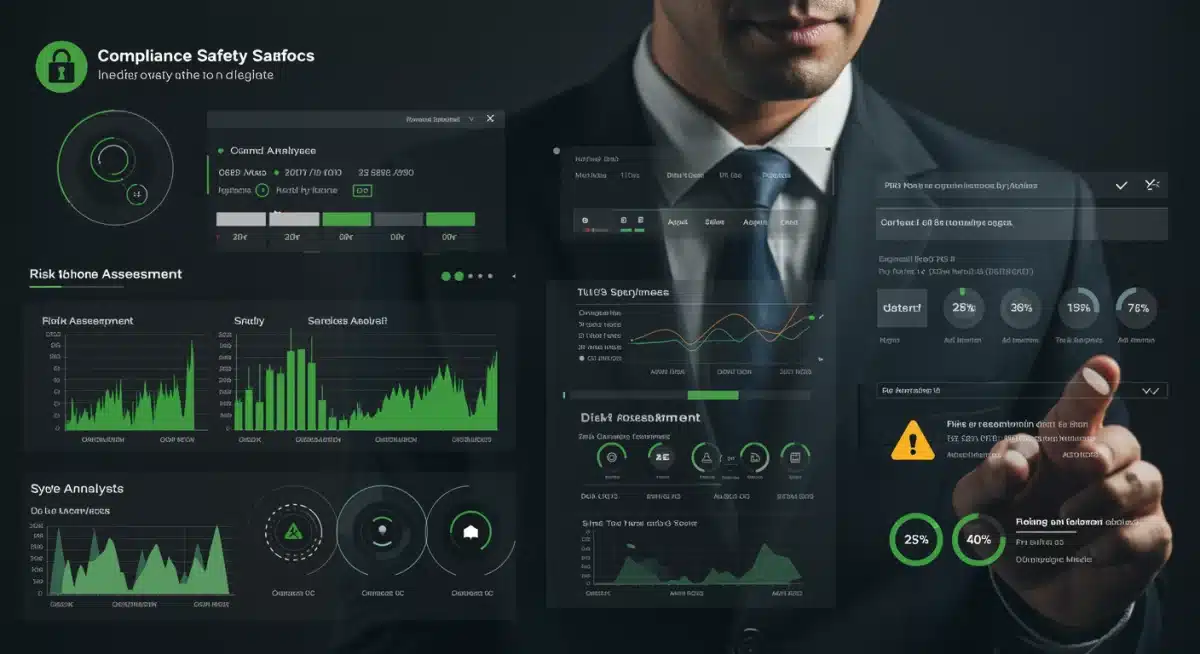
Critical compliance area 4: cybersecurity integration for connected products
As more products become ‘smart’ and connected to the internet, the fourth critical compliance area for 2025 focuses on cybersecurity integration. This is a relatively new frontier in product safety, addressing the risks posed by vulnerabilities in software and network connectivity that could lead to data breaches, functional failures, or even physical harm. Manufacturers of connected devices must prioritize security by design.
Security by design principles
The new regulations advocate for incorporating cybersecurity measures from the very initial stages of product design and development. This means that security is not an afterthought but an integral part of the product’s architecture. Key elements include:
- Regular security audits and penetration testing.
- Robust data encryption and access controls.
- Secure software updates and patch management.
Manufacturers must demonstrate that their products are resilient against cyber threats and that consumer data is protected. This requires a deep understanding of evolving cyber risks and a commitment to continuous improvement in security posture. Failing to address these concerns can lead to significant liabilities and erode consumer trust in connected technologies.
Post-market surveillance and incident response
Beyond initial design, the regulations also emphasize post-market surveillance for connected products. This involves continuously monitoring for new vulnerabilities, issuing security updates, and having a clear incident response plan in place. Companies must be prepared to:
- Detect and report security breaches promptly.
- Provide timely software patches and firmware updates.
- Communicate effectively with affected consumers.
This ongoing responsibility highlights the dynamic nature of cybersecurity. A product that is secure at launch may become vulnerable over time as new threats emerge. Therefore, a proactive and adaptive approach to cybersecurity is essential for all manufacturers of connected devices, ensuring long-term product safety and consumer confidence in the digital age.
Practical solutions for navigating 2025 product safety regulations
Successfully navigating the new 2025 product safety regulations requires a strategic and proactive approach. Businesses cannot afford to wait until the last minute; early preparation and robust implementation are key to ensuring compliance and maintaining market access.
Conduct a comprehensive compliance audit
The first step is to perform a thorough audit of your current products, processes, and supply chain against the upcoming 2025 regulations. Identify gaps in your labeling, material sourcing, traceability systems, and cybersecurity protocols. This audit should involve cross-functional teams, including engineering, legal, supply chain, and IT departments, to ensure all relevant areas are assessed. An external consultant specializing in regulatory compliance can also provide valuable insights and an objective perspective.
This initial assessment will serve as a roadmap, highlighting areas that require immediate attention and those that need longer-term strategic planning. Documenting every step of this audit process is crucial, not only for internal tracking but also for demonstrating due diligence to regulatory bodies.
Invest in technology and training
Many of the new requirements, particularly those related to digital labeling, traceability, and cybersecurity, necessitate significant technological investments. Implementing advanced data management systems, blockchain solutions for supply chain tracking, and robust cybersecurity frameworks will be essential. However, technology alone is not enough; comprehensive training for all employees on the new regulations and updated procedures is equally vital. This includes:
- Workshops on new labeling standards for marketing teams.
- Training on restricted substances for product development and procurement.
- Cybersecurity awareness and incident response training for IT and engineering staff.
Empowering your workforce with the knowledge and tools to comply will create a culture of safety and significantly reduce the risk of non-compliance.
Foster strong supplier relationships
Given the emphasis on supply chain transparency and material restrictions, strong relationships with your suppliers are more critical than ever. Engage in open communication, share your compliance requirements, and collaborate on finding compliant materials and processes. Consider implementing supplier agreements that explicitly outline safety and compliance expectations, including requirements for certifications and regular audits. A transparent and collaborative supply chain is a resilient one, capable of adapting to new regulations efficiently.
Regular communication, shared goals, and mutual accountability will ensure that your entire product ecosystem is aligned with the new safety standards. This proactive engagement minimizes risks and fosters innovation in developing safer, more sustainable products.
The long-term impact of product safety regulations on business
The 2025 product safety regulations are not just a temporary hurdle; they represent a fundamental shift in the business landscape, with long-term implications for how companies operate and compete. Embracing these changes proactively can transform challenges into opportunities for growth and enhanced brand value.
Building consumer trust and brand reputation
In an era where consumers are increasingly conscious of product safety, environmental impact, and ethical sourcing, adherence to stringent regulations becomes a powerful differentiator. Companies that consistently demonstrate a commitment to safety will build stronger consumer trust and enhance their brand reputation. This can lead to increased customer loyalty, positive word-of-mouth, and a willingness among consumers to pay a premium for safer, more reliable products. Conversely, failures in compliance can severely damage a brand, leading to boycotts and a permanent loss of market share.
Beyond mere compliance, proactive safety measures communicate a brand’s values and dedication to its customers, fostering a deeper connection that transcends mere transactional relationships. This intangible asset of trust is invaluable in today’s competitive market.
Driving innovation and sustainability
The stricter material restrictions and emphasis on environmental impact are compelling businesses to innovate. This pressure can lead to the development of new, safer materials, more sustainable manufacturing processes, and products designed for longevity and recyclability. Companies that invest in research and development to meet these challenges will not only comply with regulations but also position themselves as leaders in sustainable innovation, opening up new market opportunities and attracting environmentally conscious consumers.
The push for greater traceability and transparency also encourages greater efficiency in supply chains, reducing waste and optimizing resource utilization. In this way, regulatory compliance can become a catalyst for broader business improvements and a more sustainable future.
Mitigating risks and liabilities
Ultimately, robust compliance with product safety regulations significantly mitigates legal and financial risks. Avoiding costly fines, product recalls, and potential lawsuits is a primary benefit. A strong safety framework also reduces the likelihood of product-related injuries or damages, protecting consumers and minimizing insurance liabilities. Proactive risk management, embedded in every stage of product development and distribution, ensures business continuity and protects shareholder value. The investment in compliance is, in essence, an investment in the long-term stability and success of the enterprise.
| Key Compliance Area | Brief Description |
|---|---|
| Enhanced Labeling | Clearer, more comprehensive product information, often digitalized via QR codes. |
| Stricter Chemical Restrictions | Expanded Restricted Substances Lists and heightened focus on substances like PFAS. |
| Product Traceability | Mandatory end-to-end digital tracking and rigorous supplier due diligence. |
| Cybersecurity Integration | Security by design for connected products and robust post-market surveillance. |
Frequently asked questions about 2025 product safety regulations
The primary changes for 2025 include significantly enhanced labeling requirements, stricter restrictions on chemicals and materials, mandates for greater product traceability, and the integration of robust cybersecurity measures for connected devices. These updates aim for increased consumer protection and environmental responsibility across the supply chain.
Digital labeling, often through QR codes, will require businesses to manage product information digitally and provide comprehensive data accessible to consumers. This impacts packaging design, data management systems, and the need for real-time information updates. It offers flexibility but demands robust digital infrastructure.
Per- and Polyfluoroalkyl Substances (PFAS) and phthalates are among the chemicals facing heightened scrutiny and increased restrictions. Businesses must identify their presence in products and actively seek safer, compliant alternatives to avoid regulatory penalties and meet environmental standards.
Supply chain transparency is crucial to quickly identify and isolate unsafe products, minimize recall impacts, and combat counterfeiting. New regulations demand end-to-end traceability, requiring businesses to implement digital tracking systems and conduct thorough due diligence on all suppliers.
For connected products, cybersecurity integration means building security into the product design from the outset. This includes robust encryption, secure software updates, and continuous post-market surveillance to protect against vulnerabilities, ensuring data privacy and preventing potential physical harm from cyber threats.
Conclusion
The new product safety regulations for 2025 mark a pivotal moment for businesses, underscoring a global commitment to consumer protection and environmental stewardship. By proactively addressing enhanced labeling, stricter chemical controls, improved traceability, and integrated cybersecurity, companies can not only ensure compliance but also fortify their brand, foster innovation, and build lasting consumer trust. The journey toward full compliance is complex, yet it presents a clear opportunity for forward-thinking businesses to lead in a safer, more transparent marketplace.