Amazon Seller Central’s 2025 Algorithm: 15% Visibility Boost
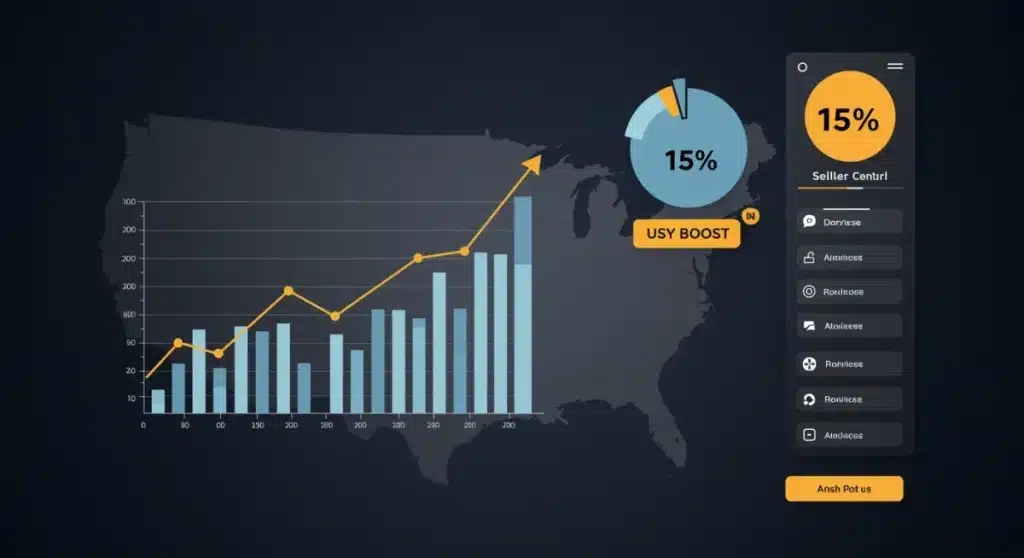
Amazon Seller Central’s 2025 algorithm changes are poised to significantly enhance product visibility for US brands, with projections indicating a substantial 15% increase through refined ranking factors and an intensified focus on customer experience metrics.
The e-commerce landscape is in constant flux, and staying ahead means understanding the subtle yet impactful shifts in platform algorithms. For US brands leveraging Amazon’s vast marketplace, the upcoming Amazon Seller Central’s Latest Algorithm Changes for 2025: A 15% Boost in Product Visibility for US Brands represents a pivotal moment, promising enhanced discoverability for those prepared to adapt.
Understanding the Core Algorithm Shift
Amazon’s algorithm, often referred to as A9 or A10, is the silent engine driving product discoverability. For 2025, the anticipated changes signal a more nuanced approach to ranking, moving beyond just sales velocity to incorporate a broader spectrum of customer engagement and operational efficiency metrics. This evolution aims to create a more equitable and valuable shopping experience for consumers, inadvertently rewarding sellers who prioritize quality and customer satisfaction.
The latest updates are not merely incremental tweaks; they represent a strategic re-evaluation of what constitutes a ‘good’ product listing and a ‘reliable’ seller. US brands, in particular, stand to gain a projected 15% boost in visibility if they align their strategies with these new parameters. This isn’t just about getting seen more; it’s about being seen by the right customers at the right time, leading to higher conversion rates and sustained growth.
Key Pillars of the 2025 Algorithm
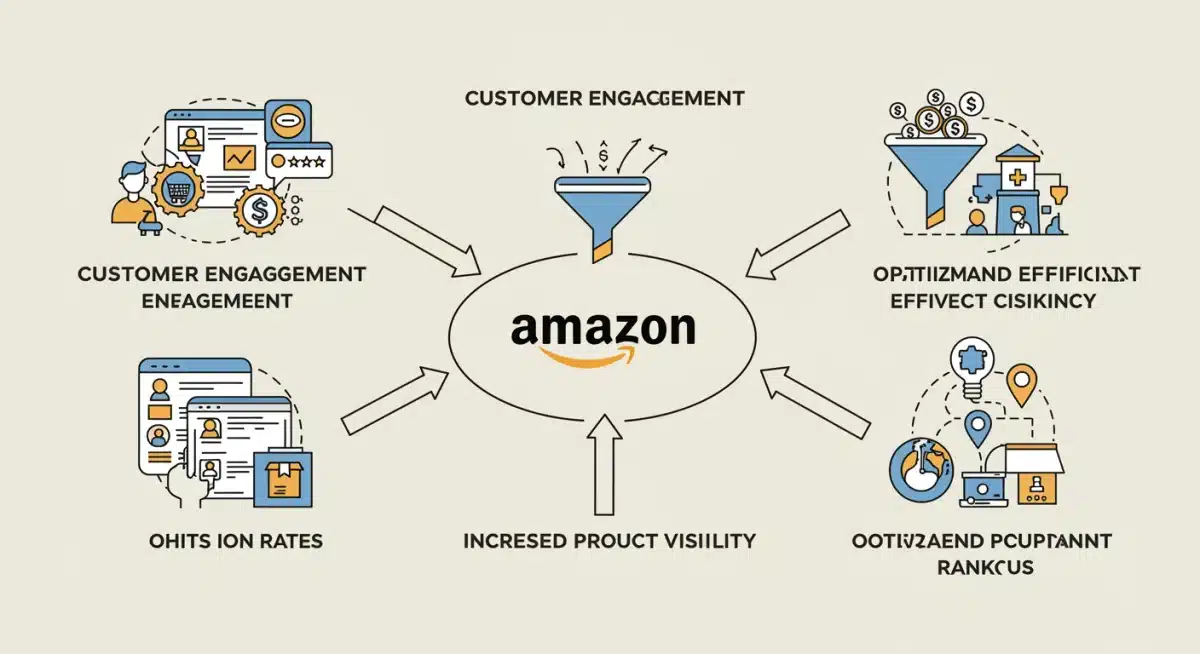
The new algorithm emphasizes several critical areas that sellers must master to capitalize on the promised visibility boost. These pillars are interconnected, forming a holistic view of seller performance.
- Enhanced Customer Engagement: Beyond clicks and purchases, the algorithm will scrutinize how customers interact with product pages, including scroll depth, time spent, and video views.
- Conversion Rate Optimization: While always important, conversion rates will be weighted more heavily, reflecting the direct impact on Amazon’s revenue and customer satisfaction.
- Fulfillment Performance: Fast, reliable shipping and low return rates will be paramount, reinforcing Amazon’s commitment to seamless delivery.
- Product Information Quality: Detailed, accurate, and keyword-rich product listings will be crucial for matching customer queries effectively.
In essence, the 2025 algorithm is designed to reward sellers who not only offer compelling products but also provide an exceptional end-to-end customer journey. Understanding these foundational shifts is the first step toward unlocking the significant visibility advantages on offer.
Deep Dive into Customer Engagement Metrics
Customer engagement is rapidly becoming the cornerstone of Amazon’s ranking philosophy. The 2025 algorithm will move beyond simple metrics like click-through rates, delving into more sophisticated indicators of user interest and interaction. This shift reflects Amazon’s desire to present customers with products they are genuinely interested in, not just those with the highest bid in advertising or sales volume.
For US brands, this means a renewed focus on creating product detail pages that are not only informative but also captivating. High-quality imagery, engaging video content, and comprehensive A+ content are no longer optional extras but essential components of a successful listing strategy. The goal is to keep potential buyers on your page longer, exploring features and benefits, which signals strong interest to Amazon’s ranking system.
Optimizing for User Interaction
To capture the attention of the new algorithm, sellers must proactively optimize their listings for various forms of customer interaction. This involves a multi-faceted approach to content creation and presentation.
- High-Resolution Images and 360-Degree Views: Provide multiple angles and detailed shots that allow customers to thoroughly inspect the product virtually.
- Product Videos: Short, informative videos demonstrating the product in use can significantly boost engagement and convey value more effectively than static images.
- Interactive A+ Content: Utilize Amazon’s enhanced brand content features to tell a compelling story about your brand and product, incorporating comparison charts and expanded descriptions.
- Customer Q&A Monitoring: Actively answer customer questions to provide clarity and address concerns, which also serves as valuable, user-generated content for the algorithm.
The emphasis on engagement signifies that a product’s journey doesn’t end with a click. It extends to how deeply and meaningfully a customer interacts with the listing, ultimately influencing its visibility. Brands that invest in rich, interactive content will undoubtedly reap the rewards of this algorithm update.
Conversion Rate Optimization Strategies
While customer engagement sets the stage, conversion rate optimization (CRO) is where the real magic happens. The 2025 algorithm will place an even greater premium on listings that consistently turn browsers into buyers. A high conversion rate signals to Amazon that your product is highly relevant and desirable to customers searching for specific terms, thus warranting higher placement in search results.
US brands must scrutinize every element of their product listings to identify and eliminate friction points that might deter a purchase. This includes ensuring competitive pricing, offering compelling promotions, and maintaining impeccable product reviews. The synergy between strong engagement and high conversion is what the new algorithm seeks to identify and reward, leading directly to that promised 15% visibility boost.
The continuous optimization of your conversion funnel is not a one-time task but an ongoing process of testing, analyzing, and refining. Small improvements across various facets of your listing can collectively lead to substantial gains in conversion rates and, consequently, in organic ranking.
Tactics for Boosting Conversions
Several proven tactics can significantly improve your product’s conversion rates, directly impacting its algorithmic standing:
- Competitive Pricing and Promotions: Regularly analyze competitor pricing and utilize Amazon’s promotional tools (coupons, lightning deals) to attract buyers.
- Stellar Customer Reviews: Encourage satisfied customers to leave reviews and actively manage negative feedback to maintain a positive overall rating.
- Clear Call-to-Actions: While not explicitly controllable on Amazon, ensuring your product description clearly articulates benefits and value can serve as an implicit call to action.
- Inventory Management: Avoid stockouts, which can negatively impact conversion rates and algorithmic favorability. Consistent availability is key.
By meticulously optimizing for conversion, US brands can demonstrate to Amazon that their products are not just seen, but also chosen, reinforcing their position as valuable offerings within the marketplace.
The Pivotal Role of Fulfillment and Seller Performance
Amazon’s reputation is built on reliability, particularly concerning shipping and customer service. The 2025 algorithm will further solidify the importance of fulfillment performance and overall seller metrics. For US brands, this means that operational excellence is no longer just good business practice; it’s a direct determinant of product visibility.
Sellers utilizing Fulfillment by Amazon (FBA) inherently benefit from Amazon’s robust logistics, which often translates to higher trust signals for the algorithm. However, even with FBA, maintaining healthy inventory levels and avoiding stockouts is crucial. For those employing Fulfillment by Merchant (FBM), consistently meeting or exceeding Amazon’s stringent shipping and delivery promises, along with managing returns efficiently, will be paramount.
The algorithm will likely weigh metrics such as order defect rate, cancellation rate, late shipment rate, and customer service response time more heavily. A strong performance in these areas signals to Amazon that customers will have a positive experience, fostering repeat business and enhancing the marketplace’s overall appeal. This focus ensures that the 15% visibility boost is earned by brands that truly deliver on their promises.
Maintaining Algorithmic Favorability Through Operations
Operational efficiency and excellent seller performance are non-negotiable for success under the new algorithm. Brands must proactively manage their backend processes to secure and maintain high rankings.
- Leverage FBA Strategically: For many US brands, FBA offers an unparalleled advantage in meeting customer expectations for fast, reliable shipping.
- Monitor Key Seller Metrics: Regularly review your Seller Central account health dashboard and address any red flags immediately.
- Efficient Returns Management: Streamline your return process to be as customer-friendly as possible, minimizing negative impacts on seller ratings.
- Proactive Customer Service: Respond to customer inquiries promptly and professionally, aiming to resolve issues before they escalate into negative reviews.
Ultimately, a seamless operational backbone underpins a positive customer experience, which the 2025 algorithm is designed to recognize and reward with increased product visibility.
Mastering Product Information Quality and Keywords
In the digital marketplace, your product listing is your storefront, and the quality of your product information is key to attracting and converting customers. The 2025 Amazon algorithm will continue to emphasize the importance of meticulously crafted product titles, bullet points, descriptions, and backend keywords. For US brands, this translates to an opportunity to significantly enhance their products’ discoverability and relevance.
Gone are the days when keyword stuffing was an effective strategy. The algorithm is now sophisticated enough to discern meaningful, contextually relevant information from poorly constructed content. The focus has shifted towards natural language processing and understanding user intent. Therefore, comprehensive, accurate, and engaging product information that naturally incorporates relevant keywords will be heavily favored.
A well-optimized listing not only helps the algorithm understand what your product is about but also educates potential buyers, answers their questions, and addresses their pain points. This holistic approach to product information quality directly contributes to higher engagement and conversion rates, forming a virtuous cycle that boosts visibility.
Crafting Algorithmic-Friendly Listings
To excel in 2025, US brands should adopt a strategic approach to their product listing content:
- Keyword Research: Conduct thorough keyword research using Amazon-specific tools to identify high-volume, relevant search terms.
- Optimized Product Titles: Create concise, informative titles that include primary keywords and key product attributes.
- Benefit-Oriented Bullet Points: Highlight the top 5-7 benefits and features of your product in clear, scannable bullet points.
- Detailed Product Descriptions: Use the product description to elaborate on features, use cases, and brand story, naturally integrating secondary keywords.
- Backend Search Terms: Utilize all available backend search term fields with relevant, non-redundant keywords that might not fit naturally into the visible listing.
By focusing on both the algorithmic and human aspects of product information, US brands can ensure their listings are not only discoverable but also compelling, driving that crucial 15% visibility increase.
Leveraging Amazon Advertising for Algorithmic Advantage
While organic ranking is the ultimate goal, Amazon Advertising remains a powerful tool that can indirectly influence algorithmic performance and amplify the 15% visibility boost. For US brands, a well-executed advertising strategy can provide the initial momentum needed to generate sales velocity, customer reviews, and engagement data, all of which feed directly into the organic ranking algorithm.
The 2025 algorithm will likely view a healthy advertising spend, coupled with strong ad performance (high click-through rates, good conversion rates from ads), as a positive signal. It indicates that your products are relevant to customer searches and that you are actively investing in the Amazon ecosystem. This symbiotic relationship means that advertising is not just about direct sales; it’s about fueling your organic growth engine.
Strategic advertising can help new products gain initial traction, allowing them to accumulate the necessary data points for organic ranking. For established products, it can defend top positions and expand reach, especially for highly competitive keywords. The key is to integrate your advertising efforts seamlessly with your overall SEO strategy, ensuring both work in harmony to maximize visibility.
Strategic Advertising for Organic Gains
To effectively leverage Amazon Advertising in conjunction with the 2025 algorithm, consider these strategies:
- Targeted Keyword Campaigns: Run sponsored product campaigns on keywords relevant to your product, focusing on both broad and long-tail terms.
- Product Targeting Ads: Place ads directly on competitor product pages or complementary products to capture relevant audiences.
- Brand Awareness Campaigns: Utilize Sponsored Brands and Sponsored Display ads to build brand recognition, which can indirectly influence customer trust and search behavior.
- Analyze Ad Performance: Continuously monitor ad metrics (ACoS, ROAS) and optimize campaigns to ensure they are driving profitable sales and positive customer interactions.
By strategically investing in Amazon Advertising, US brands can accelerate the feedback loop that informs the algorithm, capitalizing on the impending visibility enhancements and securing a stronger foothold in the marketplace.
Preparing for the Future: A Proactive Approach
The 2025 algorithm changes on Amazon Seller Central present both a challenge and a significant opportunity for US brands. The promised 15% boost in product visibility is not a given; it’s a reward for those who proactively adapt and optimize their strategies to align with Amazon’s evolving priorities. Waiting until the changes are fully implemented is a reactive approach that could leave brands playing catch-up.
A proactive stance involves continuous learning, strategic planning, and agile execution. It means regularly auditing your product listings, analyzing performance data, and staying informed about Amazon’s communications and industry trends. The brands that will thrive are those that view these algorithmic shifts not as obstacles, but as catalysts for innovation and improvement across their entire Amazon operation.
This forward-thinking mindset extends beyond just technical SEO. It encompasses a deep understanding of your customer, a commitment to product quality, and an unwavering dedication to operational excellence. By focusing on these core principles, US brands can not only achieve the projected visibility increase but also build a resilient and thriving business on Amazon for years to come.
Key Steps for Proactive Preparation
To ensure your brand is well-positioned for the 2025 changes, consider these immediate actions:
- Conduct a Comprehensive Listing Audit: Evaluate all product titles, bullet points, descriptions, and images for quality, relevance, and keyword optimization.
- Analyze Customer Feedback: Delve into reviews and Q&A sections to identify common pain points and areas for improvement in both product and listing.
- Review Seller Performance Metrics: Ensure your account health is excellent, with low defect rates and high customer service standards.
- Invest in Enhanced Content: Prioritize creating compelling A+ content and product videos to boost engagement.
- Stay Informed: Regularly check Amazon Seller Central news and industry publications for further insights and updates on the algorithm.
The future of selling on Amazon is about intelligent adaptation. By embracing a proactive strategy, US brands can transform algorithmic changes into a distinct competitive advantage, securing that crucial visibility boost and driving sustained success.
| Key Aspect | Impact on 2025 Algorithm |
|---|---|
| Customer Engagement | Increased weight for time on page, video views, and interactive content, boosting visibility. |
| Conversion Rate | Higher conversion rates directly signal product relevance, leading to better rankings. |
| Fulfillment Performance | Fast, reliable shipping and low return rates are crucial for algorithmic favorability. |
| Product Information Quality | Detailed, keyword-rich listings enhance discoverability and match user intent. |
Frequently Asked Questions About the 2025 Algorithm
The 2025 algorithm prioritizes customer engagement, conversion rates, and fulfillment performance more heavily. It moves beyond just sales velocity to include a broader range of user interaction metrics, aiming for a more relevant and satisfying shopping experience for customers.
Brands can achieve this by creating high-quality, engaging product listings with rich media, optimizing for conversion rates, maintaining excellent seller performance metrics, and strategically using Amazon Advertising to drive initial traction and data.
FBA inherently benefits from Amazon’s robust logistics, which is a strong positive signal for fulfillment performance. While FBM can still succeed, maintaining consistently high standards for shipping and customer service becomes even more crucial to compete effectively.
Keywords remain vital but with an emphasis on natural integration and contextual relevance. The algorithm favors well-researched, naturally placed keywords within titles, bullet points, and descriptions over simple keyword stuffing, aligning with user intent.
Proactive preparation includes conducting comprehensive listing audits, analyzing customer feedback, reviewing seller performance, investing in enhanced content like videos, and staying informed about Amazon’s official updates and industry best practices to adapt swiftly.
Conclusion
The impending Amazon Seller Central algorithm changes for 2025 signify a significant evolution in how products gain visibility. For US brands, the opportunity to achieve a 15% boost in product visibility is a powerful incentive to refine their strategies, focusing on customer engagement, conversion optimization, and operational excellence. By embracing these shifts proactively, brands can not only adapt but thrive, securing a competitive edge in the ever-evolving Amazon marketplace.